Amazon
 Azista

Vaginal discomfort is a common concern affecting women of all ages. Symptoms such as irritation, itching, dryness, or unusual odour often arise from vaginal pH imbalance or disruption of the natural vaginal environment. Understanding vaginal discomfort causes and adopting gentle, lactic acid-based care can help support balance and long-term intimate comfort.
Vaginal discomfort refers to any persistent feeling of irritation, itching, dryness, burning, or unease in the intimate area. While occasional discomfort can be normal, recurring symptoms often indicate an underlying imbalance rather than poor hygiene.
Many women attempt to resolve discomfort through frequent washing, which can unintentionally worsen the issue by disrupting the vagina’s natural defences.
The vagina maintains its own protective system through:
When this system is disturbed, discomfort becomes more likely.
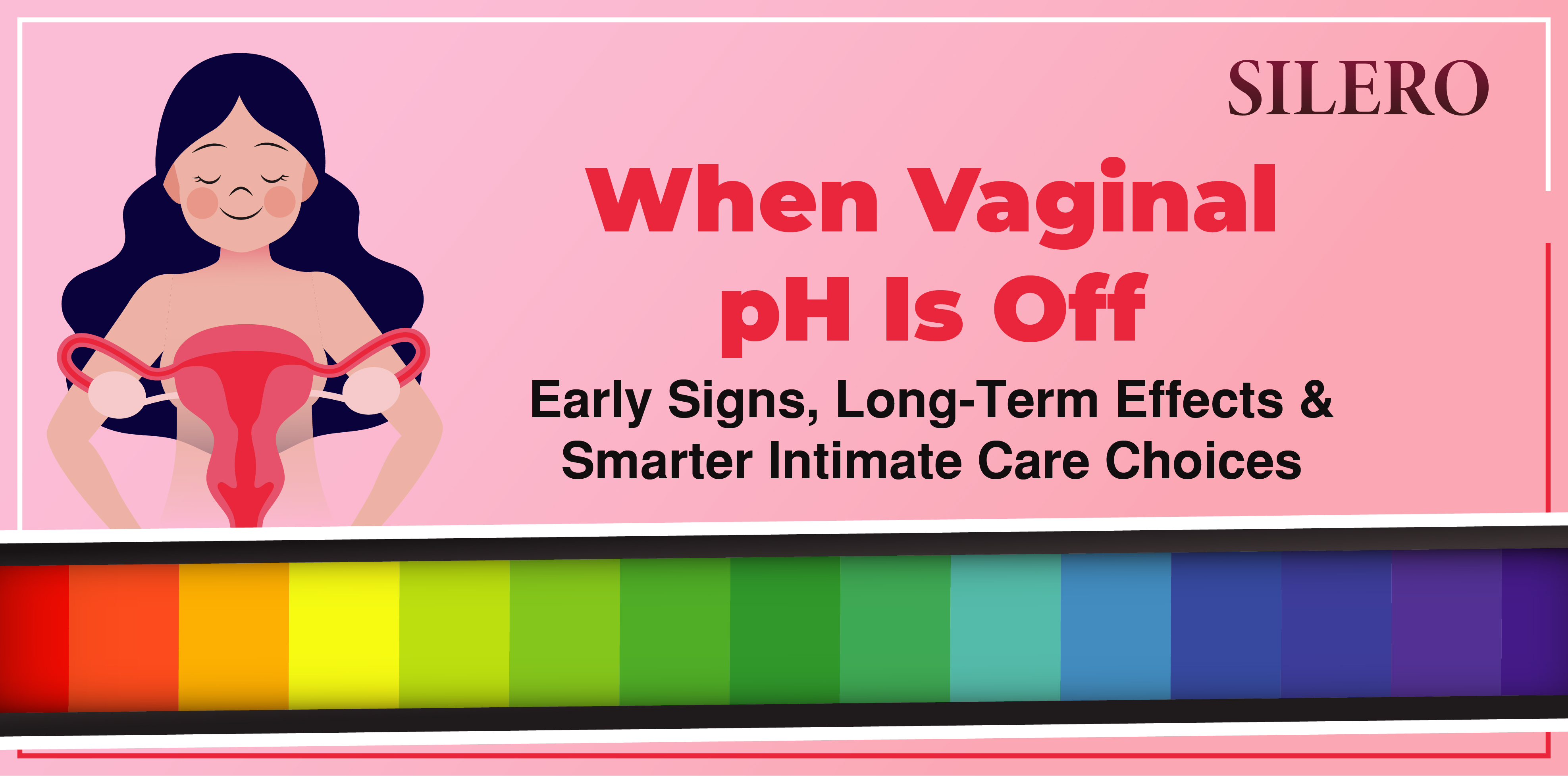
One of the most frequent vaginal discomfort causes is vaginal pH imbalance. The healthy vaginal pH typically ranges from 3.8 to 4.5. When pH shifts toward alkaline, harmful bacteria may multiply, leading to irritation or odour.
Regular soaps, fragranced cleansers, and chemical-based hygiene products can strip away natural moisture and beneficial bacteria, contributing to irritation rather than relief.
Hormonal fluctuations during:
can affect vaginal moisture levels and pH, increasing sensitivity.
In India, climate and lifestyle factors such as heat, humidity, tight clothing, prolonged sitting, and stress can contribute to vaginal discomfort by creating an environment that encourages imbalance.
Many women associate discomfort with poor hygiene and respond by washing more frequently. However, excessive cleansing often removes protective bacteria and weakens the natural barrier.
This can make vaginal irritation relief more difficult to achieve.
Modern gynaecological guidance emphasises balance rather than sterility. Supporting the body’s natural defences is more effective than aggressive hygiene routines.
Lactic acid intimate care focuses on reinforcing the vagina’s natural acidic environment. Lactic acid is naturally produced by healthy vaginal bacteria and helps:
Reduced lactic acid levels often correlate with discomfort and imbalance.
Unlike harsh antiseptic ingredients, lactic acid works in harmony with the vaginal ecosystem. This makes it suitable for women seeking gentle, pH-supportive care rather than temporary symptom masking.
Lactic acid-based products aim to restore and maintain healthy vaginal pH levels, creating an environment where beneficial bacteria can thrive and discomfort is less likely to occur.
By supporting pH balance, lactic acid-based care may help reduce:
This approach supports comfort without interfering with natural processes.
A lactic acid vaginal film is a thin, dissolvable intimate care product designed to deliver lactic acid in controlled amounts. Unlike washes or creams, vaginal films dissolve gradually and do not require rinsing.
Vaginal films are increasingly recognised as a convenient option within intimate care for women because they:
Products such as Silero Lactic Acid Vaginal Film fall within this category, offering pH-supportive care without aggressive intervention.
A balanced intimate care routine may include:
Consistency and gentleness are key to long-term comfort.
pH-supportive care works gradually. While some women notice improved comfort quickly, restoring balance often requires consistent, correct use over time.
In India, many women experience vaginal discomfort but hesitate to seek information due to social stigma. Growing awareness around intimate care for women is helping shift the conversation from embarrassment to education.
Climate conditions and daily routines make gentle, pH-focused care particularly relevant for Indian women.
While lactic acid-based care can support everyday balance, consult a gynaecologist if:
Intimate care products support hygiene but do not replace professional evaluation.
pH imbalance, harsh products, hormonal changes, and lifestyle factors.
It supports pH balance, which may help reduce mild irritation.
Yes, it naturally exists in a healthy vagina.
When used as directed, it can support balance as part of a routine.
No, it supports balance but does not replace medical treatment.
Vaginal discomfort is often a sign of imbalance rather than poor hygiene. By understanding vaginal discomfort causes and choosing lactic acid intimate care that supports natural defences, women can restore balance and maintain long-term intimate comfort with confidence.
Jun 15, 2026
Jun 01, 2026
Apr 25, 2026
Apr 15, 2026
Mar 24, 2026