Amazon
 Azista
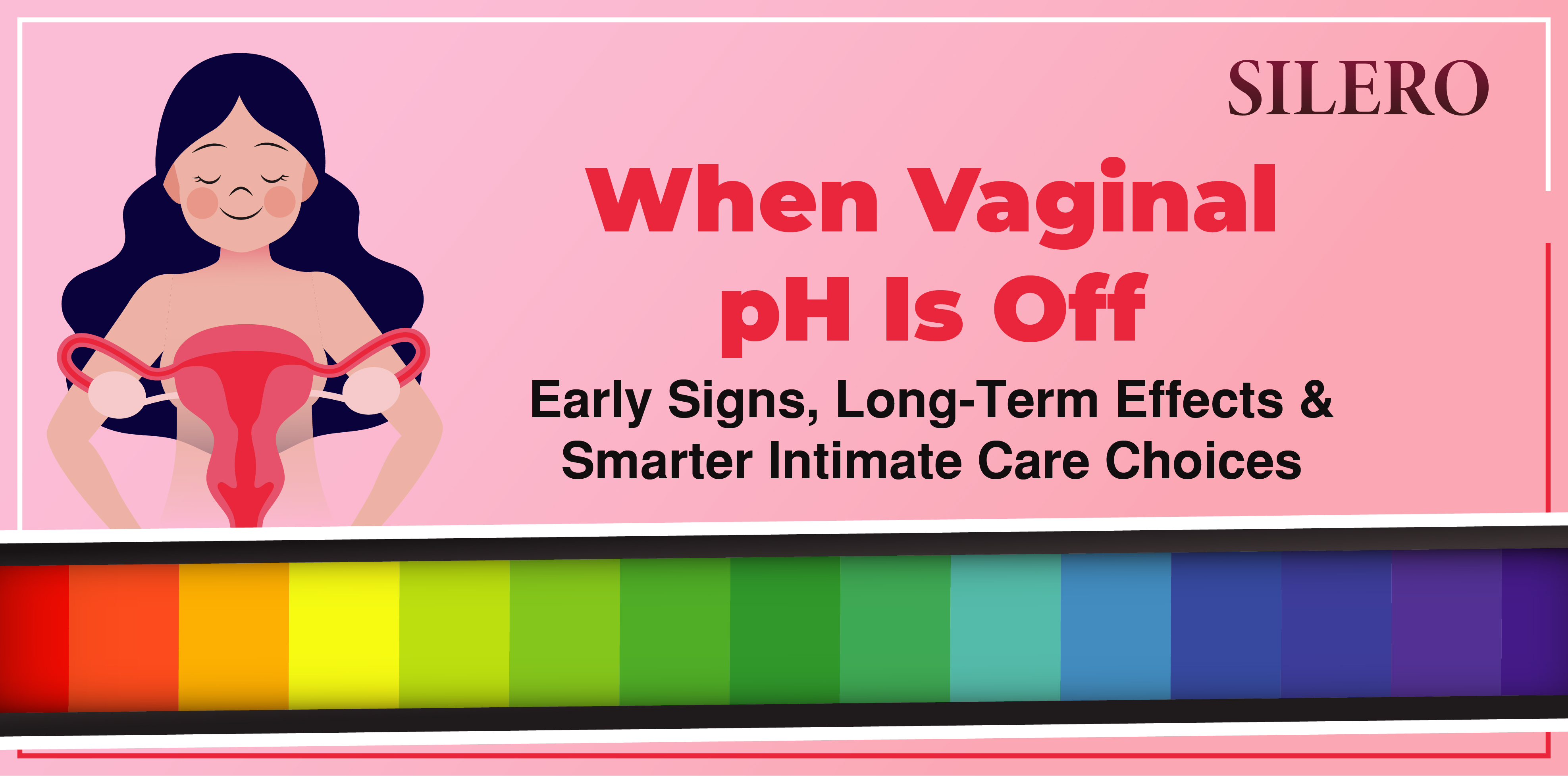
Vaginal health often communicates quietly. Small changes-slight discomfort, unusual dryness, or recurring irritation-can be early signals that something is off internally. One of the most common yet overlooked reasons behind these changes is an imbalance in vaginal pH.
Improving vaginal health awareness helps women recognise early signs, understand long-term effects, and make smarter choices around intimate hygiene care-especially with newer, pH-supportive solutions like lactic acid vaginal film.
The vagina naturally maintains an acidic environment, typically between pH 3.8 and 4.5. This acidity supports beneficial bacteria (mainly lactobacilli) that protect against harmful microbes.
When this balance is disturbed, the vaginal environment becomes more vulnerable-often before noticeable symptoms appear.
Ignoring pH balance can turn small disruptions into persistent issues over time.
Recognising signs of vaginal imbalance early allows for gentle correction rather than aggressive treatment later.
A shift in colour, consistency, or smell may indicate altered vaginal pH-even without pain or itching.
Occasional itching, dryness, or burning sensations are common vaginal pH imbalance symptoms that are often dismissed.
Tight clothing, sweating, or prolonged sitting may suddenly feel uncomfortable when pH is off.
Hormonal changes during menstruation, stress, or lifestyle shifts can temporarily disrupt balance.
These early signs are signals-not emergencies-but they shouldn't be ignored.
Several everyday factors can interfere with the vagina's natural acidity.
Regular soaps and fragranced washes are often alkaline and disrupt protective bacteria.
Excessive washing interferes with the vagina's self-regulating system.
Periods, stress, and lifestyle changes can alter vaginal pH without obvious triggers.
Limited airflow increases moisture, affecting microbiome balance.
Understanding these causes is a key part of vaginal health awareness.
When mild symptoms are repeatedly overlooked, imbalance can become recurring or chronic.
Recurring irritation may affect daily comfort and confidence.
Repeated imbalance weakens the natural defence system over time.
The vaginal area may become more reactive to products or environmental factors.
Persistent discomfort can affect physical ease, routine habits, and emotional wellbeing.
Addressing imbalance early is easier than correcting long-term disruption.
Modern intimate hygiene care is shifting away from “strong cleansing” toward supporting the body's natural processes.
Less washing with the right formulation is more effective than frequent harsh cleansing.
Products containing lactic acid for vaginal health help reinforce the vagina's natural acidity.
The goal is to protect beneficial bacteria-not eliminate them.
This shift has led to innovative formats designed to correct imbalance without disruption.
Lactic acid is naturally produced by healthy vaginal bacteria. It plays a central role in maintaining an acidic environment.
Solutions like lactic acid vaginal film are designed to deliver pH support directly, without excessive washing or residue.
Unlike cleansers that rinse away protective bacteria, vaginal films focus on balance.
Films dissolve gently, offering direct lactic acid support where it matters.
No foam, fragrance, or over-cleansing-just functional care.
When formulated correctly, vaginal films can complement daily routines without causing dependency.
Products like Silero Lactic Acid Vaginal Film reflect this modern, science-aligned approach-supporting balance rather than masking symptoms.
Awareness is the foundation of long-term intimate wellness.
Discomfort doesn't have to be severe to be meaningful.
True freshness comes from balance, not fragrance.
Supporting natural acidity is smarter than fighting it.
Mild irritation, unusual discharge changes, dryness, or recurring discomfort are common early signs.
Yes. Lactic acid for vaginal health is naturally present in the vagina and supports pH balance when used appropriately.
Yes. Lifestyle factors and product choices alone can disrupt pH.
Preventive, gentle care helps maintain balance even when no symptoms are present.
When vaginal pH is off, the body often gives subtle hints before serious discomfort appears. Understanding early signs, recognising long-term effects, and choosing smarter intimate hygiene care can make a meaningful difference.
With growing awareness and innovations like lactic acid vaginal film, intimate care is becoming less about correction and more about consistent balance.
Jun 15, 2026
Jun 01, 2026
Apr 15, 2026
Mar 24, 2026
Mar 24, 2026